
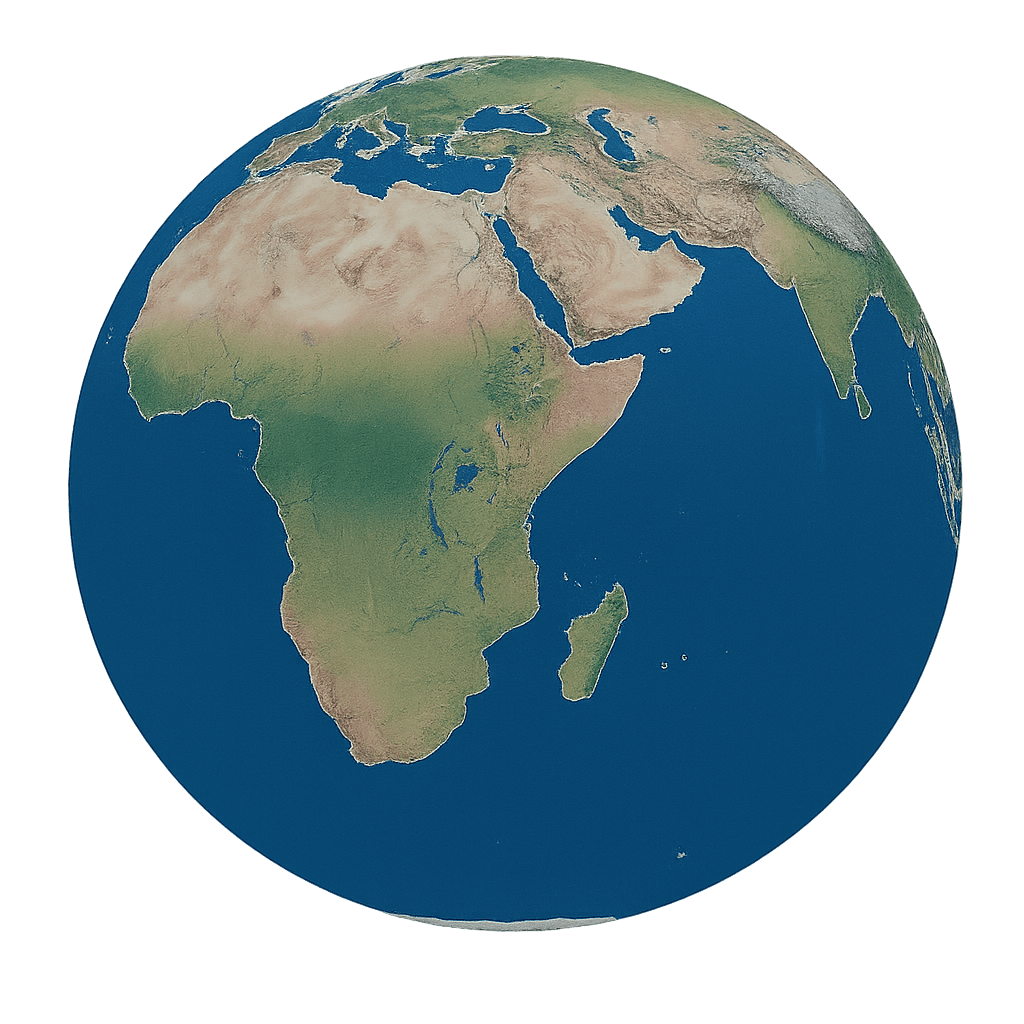
Energy & Travel Costs: Even with reports of an Iran war end and Strait of Hormuz reopening, experts say high oil and gasoline prices won’t ease fast. Ships have been stuck in the Persian Gulf for over three months, and it will take months for shipping, refining, and insurance to fully restart—meaning travelers and transport costs may stay elevated. Iraq Economy Watch: Iraq’s economy is taking a hit from the disruption to oil exports, with officials warning the Strait shutdown threatened state revenue and even salary payments, pushing the Central Bank to urge longer-term buffers and revenue diversification. Baghdad–Erbil Oil Security: Baghdad and Erbil reached an agreement to protect oil companies and resume production and exports, after security talks aimed at reducing attacks on Kurdistan’s energy infrastructure. World Cup in Iraq’s Orbit: Iraq’s first World Cup appearance in 40 years continues to draw attention abroad, with Norway set to face Iraq in Boston Tuesday and star striker Erling Haaland targeting early momentum. On-the-Ground Host Logistics: Boston’s opening World Cup match day ran smoothly for many fans, but organizers are still refining operations ahead of the next games.
AGP Executive Report
Your go-to archive of top headlines, summarized for quick and easy reading.
Note: AI summary from news headlines; neutral sources weighted more to help reduce bias in the result. Feedback is welcome. Please let us know if you have any comments or suggestions about the AGP Executive Report.
Baghdad–Erbil Oil Security Deal: Iraq’s PM Ali al-Zaidi’s office says Baghdad and Erbil have agreed on steps to protect oil companies and end attacks on energy assets, aiming to restart production and exports and support reconstruction. Iraq–World Cup Travel Spotlight: Norway’s Erling Haaland is set to face Iraq at the 2026 World Cup in Boston, with Iraq returning to the tournament after decades—an angle that will pull more fans toward Iraq-related travel plans. Muharram in Iraq: Karbala, Najaf and Baghdad have started early Muharram preparations, with black banners, mourning pavilions and shrine decorations—good timing for pilgrims planning stays and transport. Iraq PM Heads to Washington: Ali al-Zaidi is expected to discuss US troop plans and expand economic ties in mid-July, including proposals tied to Iraqi oil revenues and infrastructure funding. World Cup Entry Friction: Visa refusals and “arbitrary detention” concerns continue to disrupt fan and media travel across the tournament, including reports affecting African supporters and officials. Oil Market Watch: Analysts say oil prices haven’t spiked as feared, with attention on Strait of Hormuz reopening prospects and shifting demand.
Iraq Tourism & Economy: Germany’s GIZ and Iraqi officials met to boost Iraq’s tourism sector and diversify beyond oil, focusing on religious tourism, hospitality, travel services, and investment. Muharram in Iraq: Karbala, Najaf and Baghdad have started early Muharram preparations with black banners, mourning mawkibs, and shrine decorations, as security, health and transport plans gear up for Ashura crowds. Iraq World Cup Journey: Iraq’s striker Aymen Hussein shared his road to the 2026 World Cup, including a tense encounter with U.S. immigration authorities, while the squad is based at West Virginia’s Greenbrier for training and matches. World Cup Travel Watch: Boston-area match logistics are in full swing, with traffic and road-closure updates around Gillette/Boston Stadium for games including Haiti vs Scotland and Iraq vs Norway. Regional Diplomacy: Reports say U.S. and Iran talks could be discussed in Switzerland next week, with Pakistan and Saudi Arabia involved as mediators. Oil & Travel Costs: Oil prices stayed below $100 as markets look for stability, a sign that fuel pressure for travelers may ease. Visa Headaches for Fans: Senegal says U.S. visa refusals blocked an official supporters’ delegation, adding to wider World Cup entry disputes.
Iraq Tourism Push: Germany’s GIZ and Iraqi officials met in Baghdad to back Iraq’s tourism sector as part of economic diversification, focusing on religious tourism, hospitality, travel services, and tourism investment. Muharram in Iraq: Karbala, Najaf, and Baghdad have started early Muharram preparations with black banners, mourning pavilions, and shrine decorations, while security, health, and transport teams plan for large Ashura crowds. World Cup Travel Headaches: Visa problems are already disrupting tournament travel, including reports that Palestinian Football Association chief Jibril Rajoub is stuck in Mexico City awaiting U.S. entry permission, and that a photographer traveling with Iraq’s team was denied U.S. entry. Regional Travel Warning: The U.S. Embassy in Iraq urged Americans to leave or stay highly alert due to regional instability, warning of possible travel disruptions and sudden airspace closures. Maritime Return: Thirteen Filipino seafarers evacuated after a missile strike near Umm Qasr, Iraq, have returned home, with Iraqi authorities reported to have ensured they were unharmed. New Iraq-Linked Research: Scientists say they’ve clarified how the Euphrates River formed, tracing its origin to millions of years ago and reaffirming its route through modern Turkey, Syria, and Iraq.

World Cup Visa Headaches: Palestinian Football Association chief Jibril Rajoub is stuck in Mexico City, waiting for a U.S. visa to attend FIFA World Cup events after the U.S. denied or delayed entry for multiple accredited figures, with FIFA saying it can’t override U.S. immigration decisions. Ghana Team Travel Blow: Ghana midfielder Thomas Partey was denied entry to Canada for the opener against Panama due to a refused visa tied to ongoing legal allegations, while he remains eligible for U.S. matches. Iraq Travel Safety Alert: The U.S. Embassy in Iraq urged Americans to leave or stay on heightened readiness amid regional tensions, warning of possible travel disruptions and sudden airspace closures. Extreme Heat Watch: A new study flags Al Basrah, Iraq, as among the most vulnerable cities to El Niño-driven extreme heat, raising concerns for major tourist destinations. Ancient Mesopotamia Update: Scientists say they’ve traced how the Euphrates River formed millions of years ago, linking its origin to tectonic activity in southern Turkey and its path through Syria and Iraq. Local Transport for Fans: Boston’s MBTA is running a special “Boston Stadium Train” to Foxboro for World Cup matches, with round-trip tickets sold in advance and requiring a same-day match ticket.
World Cup Travel Watch: FIFA World Cup 2026 ticket prices and last-minute availability are in flux, with some Boston Stadium matches still showing limited seats after a “Last-Minute Sales Phase,” while resale prices vary widely by fixture demand. Visa & Entry Headaches: Ghana midfielder Thomas Partey was denied entry to Canada for the June 17 opener after Canada refused his visa over rape allegations; he can still play Ghana’s remaining U.S. matches. More Denials for Fans: Senegal supporters were also refused U.S. visas, leaving the team without its Dakar-based delegation—part of a broader pattern of travel barriers hitting African participants. Iraq Spotlight: Iraq’s World Cup return after 40 years is set for Group I—vs Norway on June 17 (1:00 a.m. Iraq time, Boston), vs France June 23 (12:00 a.m., Philadelphia), and vs Senegal June 26 (10:00 p.m., Toronto). Local Safety for Travelers: Halabja’s summer resorts near rivers were temporarily closed after drowning incidents, then reopened after searches.
World Cup travel & visas: Iraq’s striker Aymen Hussein was questioned for nearly seven hours at Chicago O’Hare before being allowed into the U.S., while Iraq’s team photographer Talal Salah was denied entry after 10+ hours of checks—another reminder that border screening is reshaping World Cup plans. World Cup costs: A study ranked Toronto among the priciest host cities, estimating a family of four could spend about $3,183 for tickets, hotels, transport, food and drinks. Regional connectivity: Turkey, Saudi Arabia, and partners are reviving the Hejaz Railway corridor after a 120-year gap, with Iraq flagged as a possible future link. Iraq governance & militias: Iraq’s PM Ali al-Zaidi is preparing a Washington trip focused on state control and disarming Iran-backed PMF factions, with militia integration into state institutions in the spotlight. Culture & heritage: Pope Francis’ chair from his 2021 Iraq visit is still missing from Dhi Qar’s archaeological museum, despite a government decision to transfer it. Travel planning tip: An expert warns travelers to read insurance small print—trip limits, undeclared health conditions, and ignoring travel advisories can leave you uncovered.
FIFA World Cup 2026 kicks off: Mexico hosts South Africa at Estadio Azteca today to start the biggest-ever tournament, with 48 teams across the US, Canada and Mexico and 104 matches running to July 19. Iraq in the spotlight: Iraq’s return after 40 years is being framed as a major travel-and-fans story, with Group I set to include Iraq and a match vs Norway at “Boston Stadium” on June 16. Visa and entry chaos: The build-up has been hit by US visa denials and detentions for players, officials and fans, including reports of Iran-related ticket allocation revocations and a Somali referee denied entry despite a valid visa—raising fresh questions about equal access for tournament visitors. Regional security spillover: With the US and Iran trading strikes and Iraq issuing alerts to Americans, travel disruptions and airspace closures are already affecting movement in the region. Travel industry move: dnata Travel Group appointed Maura Geertsma to lead corporate travel across the UAE, Saudi Arabia, Bahrain, Oman and Iraq, signaling more focus on duty-of-care and digital booking for regional travelers. Kurdish travelers stranded: Hundreds from Iraq’s Kurdistan Region were reported stuck at Istanbul’s Sabiha Gokcen Airport amid airspace closures, with limited support and rising costs.
US-Iraq Travel Alert: The U.S. Embassy in Baghdad has urged Americans to leave Iraq immediately and warned of possible travel disruptions and sudden airspace closures, reiterating the Level 4 “Do Not Travel” advisory. World Cup Entry Friction: As FIFA World Cup 2026 kicks off across the US, Mexico, and Canada, visa denials and border scrutiny are dominating headlines, including Iraq’s Aymen Hussein being questioned for hours and an Iraqi team photographer being turned back at O’Hare. Visa Politics at the Border: FIFA president Gianni Infantino urged fans to “chill” after Somali referee Omar Artan was denied entry to the US, while activists protested the risk of immigration enforcement at World Cup events. Middle East Tensions Spill Over: Escalating US-Iran conflict and Strait of Hormuz warnings are adding uncertainty for travelers and logistics tied to the tournament. World Cup Travel Reality Check: With 48 teams and matches across 16 cities, longer travel routes and security concerns are shaping how fans plan trips this week.
World Cup Travel & Visas: As FIFA World Cup 2026 kicks off across the U.S., Canada, and Mexico, travel barriers are hitting fans and even team staff—reports say Iraqi player Aymen Hussein was detained and questioned at Chicago’s O’Hare, an Iraqi team photographer was denied entry, and Somali referee Omar Artan was turned back at Miami despite a valid visa, with Iran-related staff also facing denials. Fan Costs: A study shared by Casino.org suggests out-of-town Canadian fans could spend about $5,043 CAD per match in host cities like Toronto and Vancouver, with hotels averaging roughly $646 per night and entry-level tickets around $600. Iraq Connectivity & Roads: Iraq is moving ahead with plans for an al-Ramadi–Nukhaib desert highway (167 km) linking to the Arar border crossing with Saudi Arabia, expected to start after cabinet approval in 2026—aimed at boosting truck, pilgrim, and tourist travel. Regional Transport Deals: Saudi Arabia and Türkiye signed rail and logistics agreements to build a land corridor that could later include Iraq, offering an overland alternative as maritime routes face geopolitical strain. Tourism Angle: A Jordanian super-fan is road-tripping from country to country to promote Jordan’s culture ahead of the tournament, with support from Visit Jordan.
Iraq Amnesty Update: Iraq’s authorities released former Nineveh Governor Nawfal Al-Aakoub under the General Amnesty Law, ending years of detention tied to corruption and public-fund waste cases; the amnesty covers many non-terror offenses and aims to reduce prison overcrowding. World Cup Travel Friction (Iraq-linked): Iraqi national team members have faced long questioning and entry denials in the U.S., including reports that Iraq’s forward Aymen Hussein was detained for hours at Chicago O’Hare and the team’s photographer was denied entry over “vetting concerns,” sparking calls for more welcoming visa rules ahead of the tournament. World Cup Buildup (Visa/Ticket Tensions): Iran’s federation claims FIFA revoked its fan ticket allocation for U.S. group matches, adding to a broader wave of visa delays and security scrutiny affecting teams and supporters. Maritime Rescue Near Oman: After a U.S. missile strike on the MT Marivex off Oman, a distress call led to a rapid rescue that saved all 24 Indian crew members, raising fresh safety concerns for seafarers amid regional tensions. Weather Disruptions: A major dust storm and high winds disrupted Delhi flight operations, diverting nine flights and delaying hundreds of passengers.
World Cup Travel Friction: Iraq’s World Cup campaign is hitting a rough start in the U.S. after striker Aymen Hussein was detained and questioned for nearly seven hours at Chicago O’Hare, while the team photographer Talal Salah was denied entry after “vetting concerns,” adding to a wider pattern of detentions and denied visas for match officials and visitors. Iran Ticket Turmoil: Iran’s federation says FIFA revoked thousands of tickets for Iranian supporters for group matches in the U.S., leaving fans locked out just days before kickoff. Border Checks at the Gate: A Somali referee, Omar Abdulkadir Artan, was also refused entry and will miss the tournament, underscoring how strict U.S. immigration screening is reshaping who can actually arrive. Regional Tension, Travel Impact: Trump claims an Iranian force shot down a U.S. Apache near the Strait of Hormuz, while shipping disruptions and oil-price swings continue to ripple into travel costs. Iraq Community Spotlight: Iraq’s new Chaldean Catholic patriarch inherits a shrinking Christian flock, with the article noting how conflict and emigration have left fewer than 150,000 Christians in the country today.
Iraq Road Safety: A passenger bus crash in southern Iraq killed at least 21 people and injured 20 more after the vehicle crashed and burst into flames; officials say poor road conditions and a shortage of ambulances hampered the response, with some victims burned beyond recognition. World Cup Travel & Entry Issues: Iraq’s World Cup delegation faced major U.S. border problems: star striker Aymen Hussein was detained for about seven hours at Chicago’s O’Hare before entry, while the team photographer Talal Salah was detained longer and denied entry and sent back. Extreme Heat Risk: New research flags Basra and Baghdad among the world’s most vulnerable cities to extreme temperatures, citing heat exposure, population vulnerability, and limited cooling infrastructure—important for travelers planning summer trips. Regional Air Travel Disruption: After Iran-Israel exchanges, Iraq temporarily closed airspace during the escalation, then reopened it for flights while monitoring continued risks. World Cup Visa Fallout (Broader): A Somali referee Omar Artan was denied entry to the U.S. and removed from officiating, adding to concerns about travel vetting ahead of the tournament.
Road Safety in Iraq: Iraqi officials are still identifying victims after a passenger bus crash and fire killed 21 people in Thi Qar, with 20 others injured; the route ran from Najaf to Basra and investigators cite poor road conditions and limited ambulances. World Cup Travel & Visas: Iraqi fan Abdulla Adnan says US visa access has derailed his plans despite buying tickets for Iraq matches in Boston and Philadelphia, highlighting how US entry rules and consular access issues are hitting fans from multiple countries. Iraq in the World Cup (US host cities): Boston’s World Cup schedule includes Iraq vs. Norway on June 16 at Gillette Stadium (renamed “Boston Stadium”), with several other group and knockout matches in the region. Iraq Team Entry Delays: Iraq striker Aymen Hussein was questioned for nearly seven hours at Chicago’s O’Hare before being allowed to proceed, adding to concerns about security checks and entry friction around the tournament. Regional Travel Disruption (oil routes): With tensions around the Strait of Hormuz, energy and shipping flows are being disrupted—an issue that can ripple into travel costs and regional logistics for the wider Middle East.
World Cup Travel & Entry Issues: Iraq’s World Cup striker Aymen Hussein was reportedly held and questioned for nearly seven hours at Chicago’s O’Hare, while the team photographer was denied entry—sparking fresh concerns about how Iraqi visitors are treated as the tournament begins. Regional Air Travel Disruption: Iraq shut its airspace for 72 hours (no flights in or out) as the Middle East crisis deepened after Iran’s missile attack on Israel, with Iraq and Syria also closing air corridors for safety. Kurdistan Tourism & Business: The Delphi Economic Forum’s success was highlighted as a boost for investment and tourism plans in the Kurdistan Region, with a second phase of bilateral meetings now starting. Iraq Road Safety: A passenger bus crash near Nassiriya killed at least 21 and injured 19, prompting an investigation into the cause. World Cup Host City: Philadelphia’s World Cup schedule and match locations were outlined, including Iraq’s group-stage game against France at Lincoln Financial Field.
World Cup Travel Disruption (Iraq fans): Iraq’s World Cup campaign is hitting travel snags before kickoff. Striker Aymen Hussein was detained and questioned for nearly 7 hours at Chicago O’Hare, with reports saying US authorities inspected his phone. Even tougher: Iraq’s official team photographer Talal Salah was held for 10 hours and then denied entry to the US after CBP deemed him inadmissible, leaving Iraq without its official photographer for the tournament. World Cup Visa Row (Iran): Iran’s squad also faced visa restrictions, with claims that US entry was limited to matchdays only and that some support staff visas were refused, forcing Iran to base in Tijuana for the tournament. Aviation & Tourism (Iraq): Iraq’s Nasiriyah International Airport received ground support equipment ahead of its planned opening, aiming to cut travel times and boost tourism in Dhi Qar, with plans including a runway upgrade and even a 4-star hotel. Travel Safety (Middle East advisory): The US State Department kept Yemen at Level Four “Do Not Travel” and listed Iraq among countries under heightened caution due to regional security risks.
Iraq World Cup Travel: Iraqi striker Aymen Hussein was reportedly held and questioned for nearly seven hours at Chicago O’Hare after arriving with the national team, while the team’s photographer was denied U.S. entry after “additional inspection” tied to classified/vetting concerns—another reminder that visas and airport screening can swing fast for sports travelers. Kurdistan Culture & Tourism: Erbil’s first authentic Kurdish book exhibition drew huge early momentum, with organizers saying over 37,000 books sold in the first four days and more than 7,000 visitors on day one, with the seven-day fair running at Erbil International Fairground. Regional Travel Watch: Iran’s World Cup squad is navigating visa turbulence ahead of matches in North America, including a reported shift of its base to Tijuana, Mexico, after U.S. visa issues for some support staff. Travel Safety Signals: U.S. travel guidance for parts of the Middle East continues to evolve amid renewed flight disruption warnings, keeping travelers on alert when planning routes and connections.
World Cup Travel & Security: Iraq’s World Cup campaign hit a snag as Iraqi forward Aymen Hussein was detained and questioned for nearly seven hours at Chicago O’Hare, while the team’s photographer Talal Salah was detained longer and denied entry, raising fresh concerns for fans and staff heading to matches. Air Travel Updates: Air Arabia says it’s keeping services running from UAE hubs (Sharjah, Abu Dhabi, Ras Al Khaimah) to key regional routes including Baghdad, Basra, Erbil and Najaf, with phased resumptions to Europe starting June 25 and London Gatwick from July 4. Regional Conflict Watch: A fragile US-Iran ceasefire is under strain after renewed missile, drone and naval exchanges in the Gulf, keeping travel advisories and flight planning on edge. Road & Connectivity: The World Bank approved a $900m Iraq roads project aimed at improving transport corridors and safety, expected to benefit millions from Baghdad to the Kurdistan Region. Culture in Erbil: Erbil’s first Kurdish book fair drew 7,000+ visitors on day one, running for seven days at Erbil International Exhibition Hall. Sports Diplomacy: Iran says visas for its World Cup team are now approved for US entry after earlier denials, with the dispute tied to US-Iran tensions.
World Cup Travel & Rules: FIFA has banned refillable water bottles at World Cup matches, citing safety concerns—expect bottled water to cost about $5–6 at venues. Iraq Transport & Roads: The World Bank approved a $900 million package to upgrade Iraq and the Kurdistan Region road corridors, aiming to make travel safer and more reliable and support connectivity from Baghdad toward Turkey, Syria, and Jordan. Fuel Shortage Watch in Baghdad: Iraq’s Integrity Commission deployed field teams for surprise inspections at filling stations to curb smuggling and ensure gasoline reaches citizens amid ongoing shortages. Middle East Travel Caution: The U.S. Embassy issued a travel alert for much of the Middle East due to high regional tensions, with Iraq still under the highest caution level. Football Spotlight (Iraq in the Mix): Iraq is set for its second World Cup appearance since 1986, drawn into Group I alongside France, Senegal, and Norway.
World Bank Roads Boost for Iraq & Kurdistan: The World Bank approved a $900 million package to upgrade Iraq’s road network, targeting key corridors linking Baghdad with Turkey via the Kurdistan Region (E1) and with Syria/Jordan (E2), with millions expected to benefit and safety improvements aimed at easing trade and access issues. Fuel Shortage Crackdown in Baghdad: Iraq’s Integrity Commission launched surprise field teams at filling stations across Baghdad to track deliveries, check quantities sold, and curb smuggling or manipulation as gasoline shortages continue. US Travel Alert for the Middle East: The U.S. Embassy in Jerusalem urged Americans to reconsider travel amid “high tensions,” keeping Level 4 warnings for Iran, Iraq, Lebanon, Syria, Gaza and Yemen, and advising travelers to know the nearest shelter location. Iran–US Naval Tensions: Iran said it fired “warning missiles” at two U.S. destroyers in the Gulf of Oman, while the U.S. described ongoing maritime pressure and blockade-related disruptions. World Cup Warm-Up: Iraq vs Spain: Iraq held Spain 1-1 in a World Cup warm-up, a morale boost for fans planning travel for the June 11 kickoff.
Sign up for:
Iraq Travel Today
The daily local news briefing you can trust. Every day. Subscribe now.
Check Your Email!
We sent a one-time activation link to: .
Confirm it's you by clicking the email link.
If the email is not in your inbox, check spam or try again.
Welcome back!
is already signed up. Check your inbox for updates.